Understanding FHA Loans
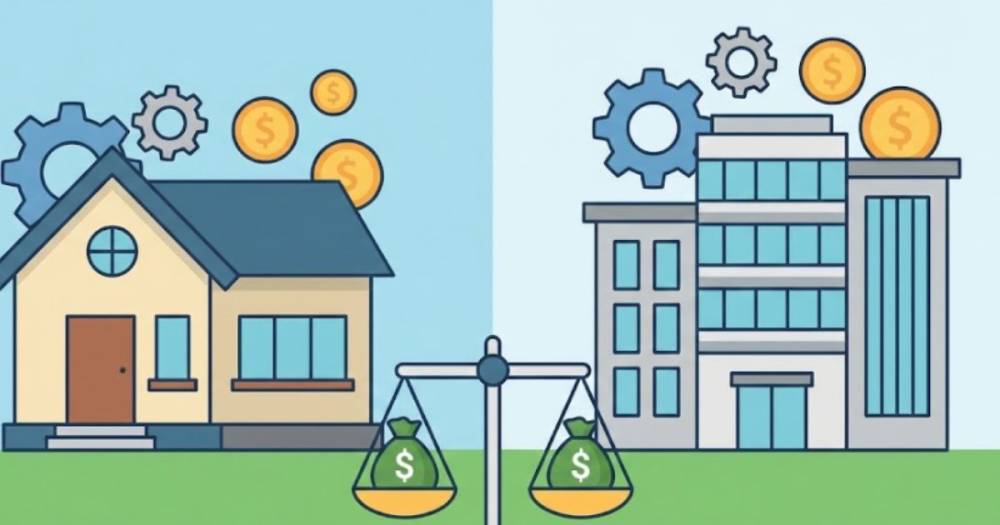
FHA loans, backed by the Federal Housing Administration, are designed to assist first-time homebuyers with more accessible financing options. To be eligible, individuals must meet specific criteria, including a minimum credit score and a stable employment history. The benefits of FHA loans, especially for those with limited funds for a down payment, make them an attractive option for aspiring homeowners.
FHA Loan Application Process
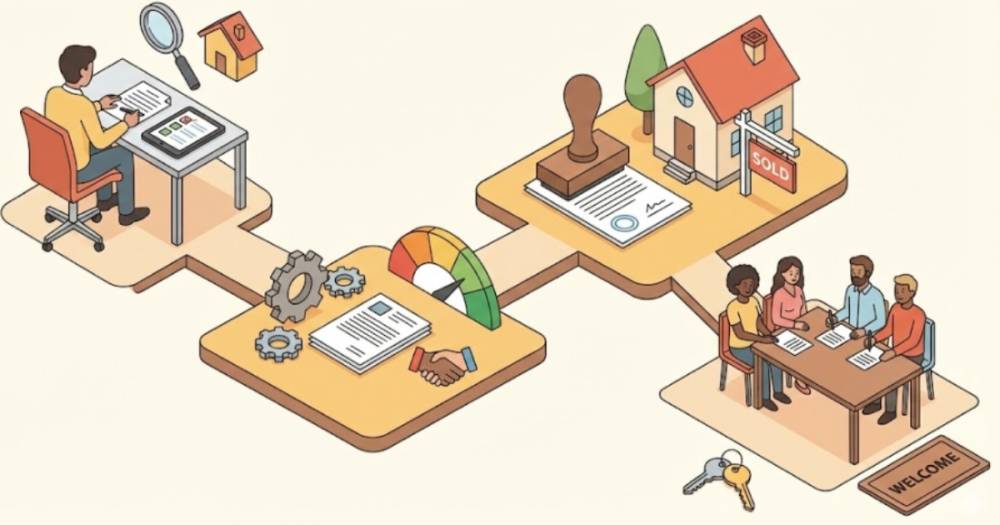
Once you’ve decided that an FHA loan is right for you, the application process comes into play. Gathering necessary documentation, such as proof of income, employment history, and credit reports, is crucial. Understanding how your credit score influences your loan approval and interest rates will help you navigate this phase more confidently.
Finding the Right Lender
Researching FHA-approved lenders is a pivotal step in securing the best deal for your home purchase. Compare interest rates, loan terms, and customer reviews to find a lender that aligns with your financial goals and preferences.
Calculating Loan Amount
FHA loans have specific limits on the amount you can borrow. Knowing these limits and understanding the down payment requirements will help you calculate the loan amount that suits your budget.
Navigating Property Requirements
Not all properties qualify for FHA loans. It’s essential to ensure the property you’re interested in is FHA-approved. Additionally, the appraisal process plays a significant role in determining the property’s value and your loan amount.
Securing a Pre-Approval
Getting pre-approved for an FHA loan streamlines the homebuying process. Sellers often prefer dealing with pre-approved buyers, giving you a competitive edge in a competitive market.
Choosing the Right Home
Consider various factors when selecting your first home, such as location, amenities, and potential for appreciation. Budgeting for additional costs, including maintenance and property taxes, is crucial for a sustainable homeownership experience.
Making an Offer
Negotiation strategies, contingencies, and inspections play a vital role when making an offer. Understanding these aspects will help you navigate the negotiation process successfully.
Finalizing the Loan
As you approach closing, be prepared for additional costs and fees. Reviewing the loan terms and ensuring all necessary documentation is in order will pave the way for a smooth closing process.
Understanding FHA Mortgage Insurance
FHA loans require mortgage insurance, consisting of both upfront and annual premiums. Understanding how these premiums impact your monthly payments is essential for effective financial planning.
Managing Finances Post-Purchase
Budgeting tips for homeowners and addressing unexpected expenses will contribute to your long-term financial stability. Planning for ongoing homeownership costs ensures a seamless transition into your new life as a homeowner.
Common Misconceptions About FHA Loans
Dispelling myths surrounding FHA loans is crucial for making informed decisions. Understanding the advantages of FHA loans will help you see them as a valuable tool in achieving your homeownership goals.
Success Stories
Real-life success stories of individuals who have used FHA loans to buy their first homes can provide inspiration and valuable insights. These stories highlight the positive outcomes and experiences of leveraging FHA loans.
Conclusion
In conclusion, using an FHA loan to buy your first home is a strategic and accessible option for many. By following the outlined steps and understanding the nuances of the process, you can confidently embark on your homeownership journey.
Frequently Asked Questions:
Can I use an FHA loan for any type of property?
● FHA loans have specific property requirements, so it’s essential to ensure the property is FHA-approved.
What are the benefits of getting pre-approved for an FHA loan?
● A pre-approval gives you a competitive edge in the real estate market, showing sellers that you are a serious and qualified buyer.
Are there income limits for FHA loan eligibility?
● FHA loans do not have strict income limits, but your debt-to-income ratio is a crucial factor in the approval process.
How does FHA mortgage insurance work?
● FHA mortgage insurance protects the lender in case of borrower default and is paid as both upfront and annual premiums.
Can I refinance my FHA loan in the future?
● Yes, refinancing an FHA loan is possible, and it can be a strategic move to secure better terms.